Advanced Terraform Modules and Reusability
7/24/2024 • VirtueCloud
Introduction
In the world of infrastructure as code (IaC), Terraform has emerged as a leading tool for provisioning and managing cloud resources. One of Terraform's most powerful features is its modular design, which allows for the creation of reusable components. This blog will delve into advanced Terraform modules, exploring their importance, how to create them, best practices, integration with private module registries, and real-world applications.
Overview of Terraform Modules and Their Importance
Terraform modules are self-contained packages of Terraform configurations that are managed as a group. They allow you to encapsulate and reuse infrastructure code, making it easier to manage and maintain complex environments. By breaking down infrastructure into modules, you can enhance reusability, maintainability, and scalability.
Benefits of Modular Code
- Reusability: Modules can be used across different projects and environments, reducing duplication of effort and code.
- Maintainability: With a modular approach, you can update a module in one place and propagate the changes across all instances where it is used.
- Scalability: Modules allow you to manage and scale your infrastructure efficiently by abstracting complexity and enabling consistent configurations.
Creating Reusable Modules
Creating reusable modules involves structuring your code in a way that promotes reuse and maintainability. Here’s how you can achieve that:
Structuring Modules
A well-structured module typically includes the following components:
- Directory Structure: Organize your module files logically. A common structure includes:
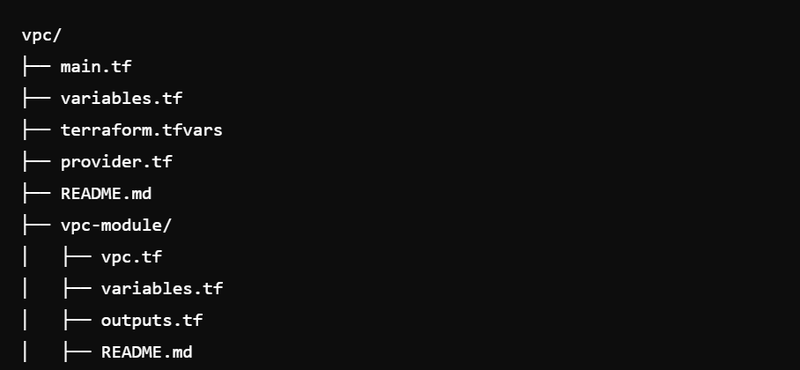
- Input Variables: Define variables in variables.tf to make your module configurable.
- Outputs: Use outputs.tf to define outputs that other modules or configurations can consume.
Best Practices
- Naming Conventions: Use clear and consistent naming conventions for resources, variables, and outputs.
- Documentation: Include a README.md file with usage instructions and examples.
- Versioning: Use version control (e.g., Git) and version tags to manage module versions.
Check out the complete code and implementation here.
Integrating with Private Module Registries
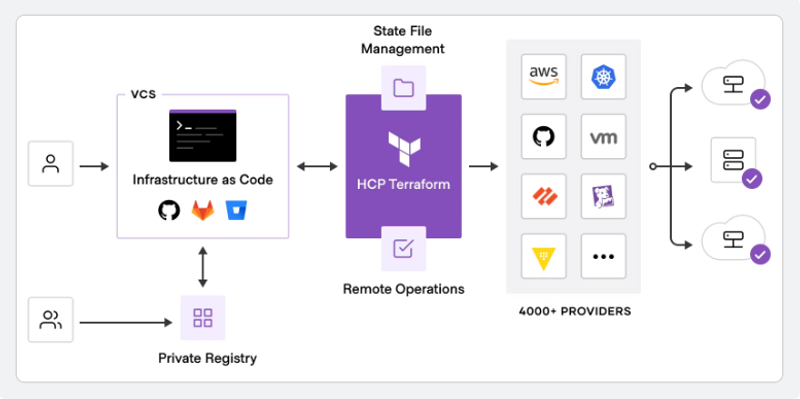
To enhance security and control, you might want to host your modules in a private registry.
Setting Up
You can host modules in Terraform Cloud or a custom private registry. Terraform Cloud provides a straightforward way to manage private modules.
Access Control
Managing access to private modules involves setting permissions and roles to ensure that only authorized users can access and use the modules.
Example: Using Terraform Cloud
Create a Module in Terraform Cloud:
- Navigate to the "Registry" section and select "Publish Module."
- Follow the prompts to upload your module.
Configure Access Control:
- Set organization-level permissions.
- Assign teams and users to roles that define their access levels.
Real-Time Scenario
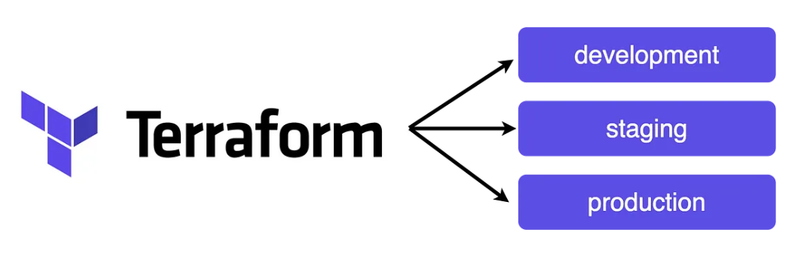
Using modules, you can deploy similar infrastructure across different environments (e.g., development, staging, production) with minimal effort.
Multi-Environment Setup
By parameterizing environment-specific settings, you can use the same module to deploy resources in different environments.
Example Configuration:
// Call the VPC module with parameters
module "vpc" {
  source      = "git::https://github.com/your-org/vpc-module.git" // Source of the module
  cidr_block  = var.cidr_block // Pass the CIDR block variable
  vpc_name    = var.vpc_name // Pass the VPC name variable
  public_subnets = var.public_subnets // Pass the public subnets variable
}
Environment-Specific Variables:
dev.tfvars
cidr_block     = "10.0.0.0/16" // CIDR block for the development environment
vpc_name       = "dev-vpc" // Name for the development VPC
public_subnets = ["10.0.1.0/24", "10.0.2.0/24"] // Public subnets for development
staging.tfvars
cidr_block     = "10.1.0.0/16" // CIDR block for the staging environment
vpc_name       = "staging-vpc" // Name for the staging VPC
public_subnets = ["10.1.1.0/24", "10.1.2.0/24"] // Public subnets for staging
production.tfvars
cidr_block = "10.2.0.0/16" // CIDR block for the production environment vpc_name = "production-vpc" // Name for the production VPC public_subnets = ["10.2.1.0/24", "10.2.2.0/24"] // Public subnets for productionConclusion
Terraform modules are a powerful way to manage infrastructure as code, offering significant benefits in terms of reusability, maintainability, and scalability. By following best practices and integrating with private module registries, you can create robust and secure modules that streamline your infrastructure management.
For the complete code examples and implementation, visit GitHub repository.
Also Read
Related articles you might find interesting
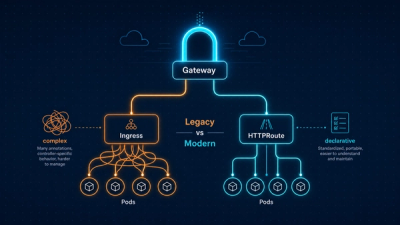
Ingress Got You This Far — A Field Guide to Gateway API & HTTPRoute
Why platform teams are re-routing north-south traffic through the Kubernetes Gateway API, what HTTPRoute changes on the ground, and how to migrate without a big-bang rewrite.
AWS Graviton: High-Performance Compute with Energy Efficiency and Cost Savings
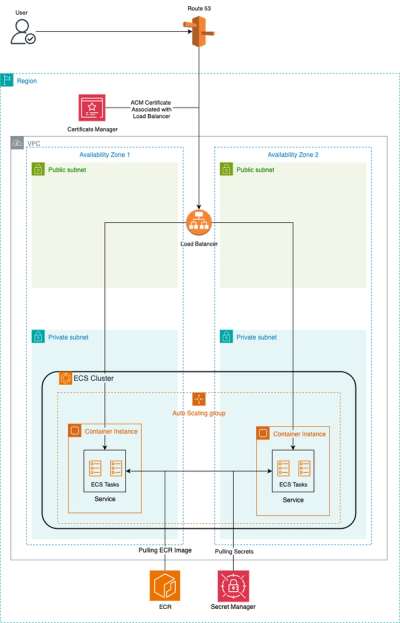
Automated ECS Deployment: Fargate or EC2, Make it easy with VirtueCloud
Hassle-Free ECS: Terraform Automation + CI/CD Pipeline